Bee Cave, TX
Home Loans in Bee Cave, Planned Around Your Numbers
We arrange conventional, FHA, VA and USDA loans for buyers, plus HELOCs, bank statement loans, bridge loans and hard money for owners and investors. Borrowers from Bee Cave, Lakeway and Dripping Springs get a clear look at their options, including an honest answer when the loan they already have is worth keeping.
- NMLS licensed for 10 years
- 11 years in the industry
- Office, phone or video
- Itemized loan costs explained

Serving Bee Cave and the Hill Country
We work with borrowers in Bee Cave and across the surrounding communities, including Lakeway, Steiner Ranch, Barton Creek, Belterra, Hudson Bend and West Lake Hills. Clients farther out in Lago Vista, Dripping Springs, Shady Hollow and Jonestown are welcome too, and some outlying addresses may even be eligible for USDA financing.
- Bee Cave
- Lakeway
- Steiner Ranch
- Barton Creek
- Belterra
- Hudson Bend
- West Lake Hills
- Lago Vista
- Dripping Springs
- Shady Hollow
- Jonestown
Most meetings happen by phone or video, so distance rarely matters. Anywhere in Texas we can lend, the process is the same.
Home Loans for Buying, Refinancing and Investing
Most of our work falls into two groups. For buyers, we offer conventional loans, FHA loans, VA loans and USDA loans, each with its own down payment and credit rules. For people who already own property or invest in it, we handle HELOCs, bank statement loans, bridge loans and hard money loans. Each loan has its own page with the details, and a short phone call usually tells us which two or three are worth comparing for you.

Conventional Loans
Conventional financing for buyers and refinancers with steady credit, with clear choices on down payment, mortgage insurance and rate.

FHA Loans
A government-backed home loan with a smaller down payment and more room for imperfect credit, explained clearly so you can decide whether it fits.
VA Loans
VA purchase loans, streamline refinances and cash-out refinances for eligible veterans, service members and surviving spouses, explained plainly.
USDA Loans
Zero-down financing for eligible rural and edge-of-town properties, with the address and income limits checked before you get attached to a listing.
HELOC
Borrow against the equity you have built, draw only what you need and leave a good first mortgage rate untouched.
Hard Money Loans
Short-term, asset-based financing for investors who need to close on a property quickly or buy one that a standard lender will not touch yet.
Bank Statement Loans
A home loan for self-employed borrowers that measures income from real deposits instead of the write-downs on a tax return.
Bridge Loans
Short-term financing that draws on equity in the property you own now, so you can buy the next one while the first is still for sale.
What Sets Your Rate and Closing Costs
Every borrower's quote is different, and the reasons are concrete. A few factors account for most of your rate, your monthly payment and the cash you need at closing. Understanding them early shows you where a small change might be worth making.
A phone rate quote reflects the details you share and that day's market. Once you apply, you get a written Loan Estimate listing each cost before you agree to anything.
- Your credit
- On most loans, your middle credit score decides the pricing tier. A small gain, like lowering a card balance before you apply, can lift you into a better one.
- Money down and equity
- How much of the price you pay up front, or how much equity you have on a refinance, affects both your rate and your mortgage insurance. Conventional loans end mortgage insurance at set equity levels; FHA treats it another way.
- Which loan and how long
- A 15-year loan, a 30-year loan, a government-backed loan and a non-QM loan like a bank statement loan each follow their own pricing. Short-term bridge and hard money loans are priced for speed and flexibility, not long-term cost.
- The property and how you use it
- A property you live in gets better pricing than a second place or a rental. Condos and properties with acreage may need extra appraisal or review steps.
- Points and your lock
- Paying points buys a lower rate, while accepting a slightly higher rate cuts the cash you bring to closing. A longer lock guards you through a slow closing and may cost a little.
- Taxes, insurance and escrow
- Texas property taxes and hazard insurance are part of your monthly payment and your first escrow deposit, so they deserve as much attention as the rate when you set a budget.
From First Phone Call to Closing Table
Nearly every loan passes through the same stages. Here is what happens at each one and what we will need from you.
- 1
Your plans, on the first call
We start with what you want to do: buy, refinance, draw on equity or finance an investment. A few plain questions about income, debts and savings give you an early idea of what you may qualify for.
- 2
Narrowing and comparing loans
We cut the options down to the loans that fit and compare their payments, down payments and closing costs. Buyers get a letter to shop with at this point.
- 3
Application and documents
We complete the loan application together by phone, and you send the pay stubs, tax returns or bank statements your loan requires. We check them before underwriting sees them, so gaps show up early.
- 4
Appraisal and underwriting
An appraiser confirms the property's value as the underwriter reviews your file. We keep you posted and explain any conditions in plain terms.
- 5
Closing
Texas loans close through a title company, and your Closing Disclosure arrives days ahead. We review it with you so every page at signing is one you have already seen.

Recommendations With the Reasons Attached
Home Loans Bee Cave lends on the places people call home and on the properties they buy as investments. Our loan officer has 11 years in the mortgage industry, 10 of them with an NMLS license, long enough to see how loans hold up as rates rise and drop.
That experience shapes our advice. Sometimes the best move is to keep a strong first mortgage and tap equity with a HELOC. Sometimes a refinance clearly comes out ahead, and we explain why. Either way, you get the reasoning behind the recommendation, not only the loan's name.
- License
- NMLS licensed for 10 years
- In business
- 11 years in the mortgage industry
Questions We Hear Most From Borrowers
What down payment will I need?
Each program sets its own. Eligible veterans can often buy with no money down on a VA loan, and USDA offers the same in qualifying rural areas. Buyers who qualify can put less down on FHA and conventional loans. One call lets us compare the cash each choice requires.
What separates pre-qualification from pre-approval?
Pre-qualification is an early estimate drawn from the income, debts and savings you tell us about. Pre-approval comes after we review your documents and credit, so sellers give it more weight. Most buyers start with pre-qualification and move up to pre-approval once they are ready to make offers.
Should I refinance or keep the mortgage I have?
If your rate is well below the current market, keeping it is often wiser, and a HELOC can reach your equity without disturbing it. A refinance pays off when it delivers a real rate cut, removes mortgage insurance or shortens your term, and the cost comes back to you in a reasonable time. We put the two side by side so you can see the break-even point.
Do you work with self-employed borrowers?
Often, yes. Conventional loans go by your tax returns, and if write-offs lower your taxable income, a bank statement loan can qualify you on deposits instead. We weigh both paths before recommending one.
How quickly can a loan close?
Most purchase loans take about a month, depending on the appraisal, the title work and how quickly your documents come in. Bridge and hard money loans are reviewed differently and can close faster. After your file arrives, we give you a realistic date.
Will talking with you hurt my credit score?
A first conversation or rate quote needs no credit pull; we use the details you share. We tell you before we ever run your credit and explain why that step calls for it.
Are home equity loans different in Texas?
Yes. Texas limits cash-out borrowing, including HELOCs, so total debt on a primary residence generally stays at or under 80 percent of its value, and the state sets waiting periods before closing. We go over these rules up front so your plan fits within them.
How We Work With Borrowers
A new loan is not always the right answer. When the mortgage you have is still doing its job, we say so, and we explain plainly when a refinance or a different product would leave you better off.
Keep what works
If your first mortgage carries a rate you would never see again, replacing it to pull cash out can cost more than it gives. In that case we usually look at a HELOC first, so the original loan stays in place. When a full refinance is the stronger choice, we show you the math behind it.
Costs laid out line by line
Lender fees, title charges, prepaid interest and escrow deposits are listed separately so you can see where each dollar goes. Your official Loan Estimate follows the same structure, which makes comparing it to another lender's offer straightforward.
One loan officer from call to closing
The person who takes your first call is the person who follows your file through underwriting, appraisal and closing. You will not be handed to a new contact each week or asked to repeat your story.
Meetings that fit your schedule
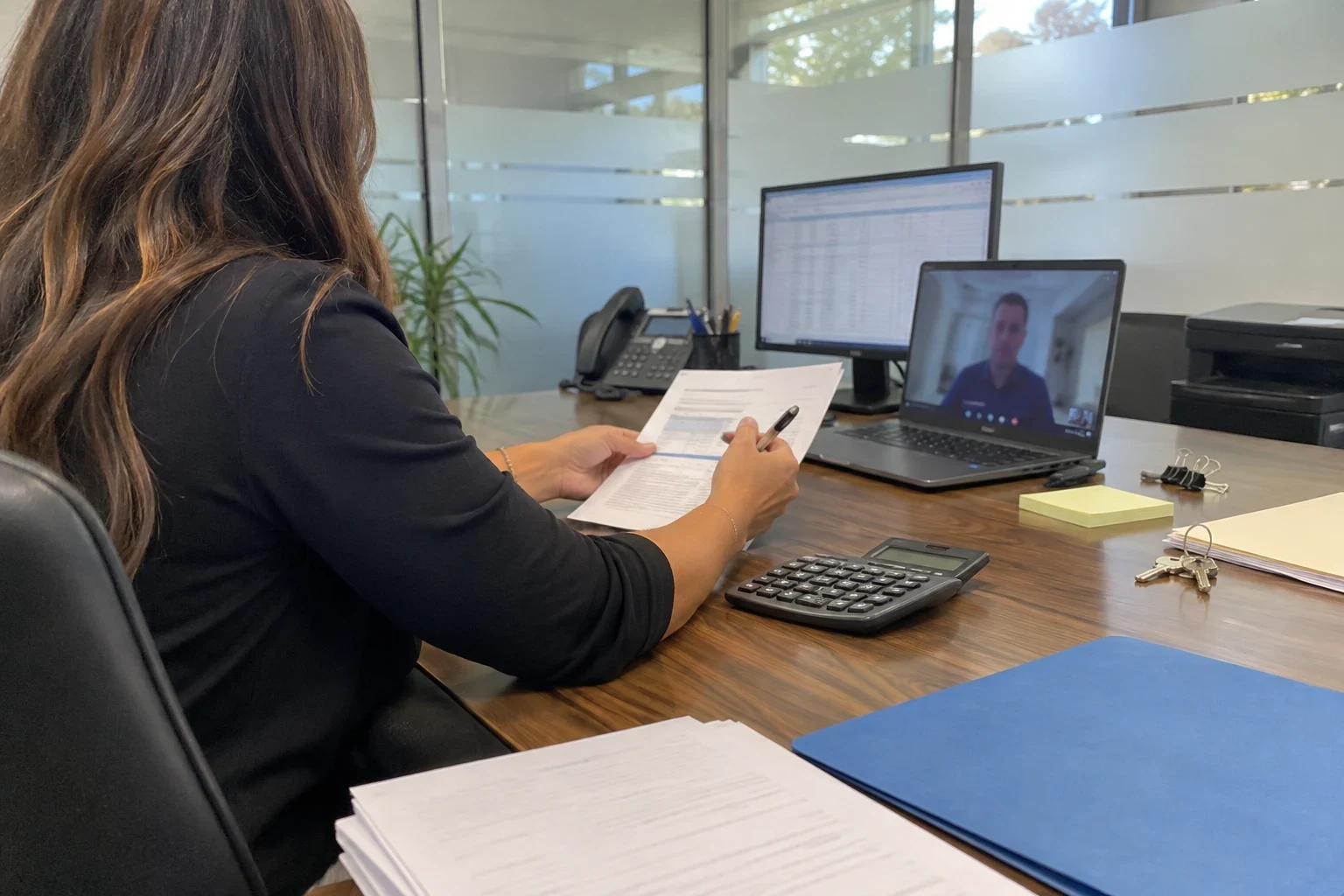
We meet at our office, by phone or by video. Documents can be reviewed together on screen, so a self-employed borrower or a busy family does not need to take an afternoon off to go over a pay stub.
Careful with your credit
We tell you before any credit report is pulled and why it is needed at that point. Early conversations about rate quotes and pre-qualification can happen with the numbers you share.
Find Out Where You Stand
A short phone conversation is enough to see which loans fit and what you may qualify for. If keeping your current loan is the better choice, you will hear that too.